
Sacrificial Anodes, Explained: What to Replace and When
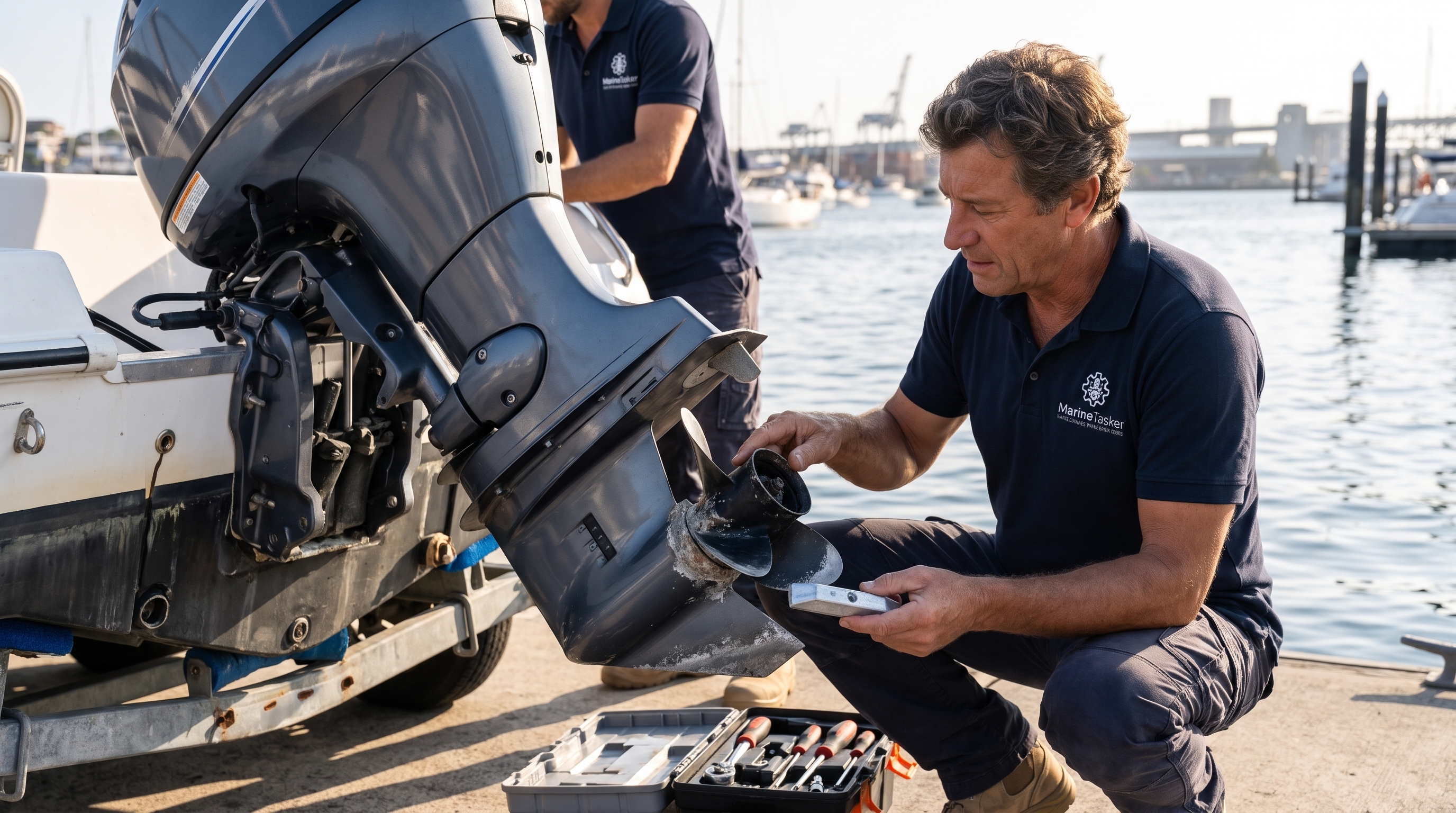
If your boat has any metal underwater, it has anodes — and anodes tell you more about the health of your hull than almost anything else you can inspect in a five-minute look.
A sacrificial anode is a deliberately expendable piece of metal — usually zinc, aluminium or magnesium — fitted so it corrodes before your propeller, shaft, rudder stock or outboard leg does. When the system is working, the anode wastes away and your hardware doesn't. When it isn't, the bill arrives later, bigger.
Read the anode, not the calendar
The most useful habit is simple: every time the boat comes out of the water, look at each anode before anyone cleans it. What you see tells you what to do next.
- More than 50% wasted: replace it now, and log the date against the hours you've run since the last change.
- Crumbling or flaking well ahead of schedule: check bonding and wiring — an anode that disappears in weeks can point to a stray-current problem nearby.
- Still looking new after a full season: it may not be making good contact, or the wrong alloy is fitted for your water.
- A white, powdery coating on a zinc used in brackish water: zinc can passivate and stop working — switch to aluminium.
Match the alloy to the water
Zinc suits open saltwater. Aluminium handles brackish and mixed use, which is exactly what much of Sydney Harbour and the Parramatta River serves up. Magnesium is for pure freshwater only — fitted in the sea it will burn itself away in months. If your boat is moored in one waterway and trailed to another, aluminium is usually the honest compromise.
Log it, then let the logbook work
Record every anode change with photos and hours-run. Over a couple of seasons the pattern tells you your true consumption — not the marina's rule of thumb — and a buyer's surveyor will read a documented anode history as a boat that was genuinely looked after.
When you book an anode or antifoul job through MarineTasker, photos of the old and new anodes file straight against your vessel's digital logbook, timestamped — so the proof is already there the day you need it.
Get first access to verified dockside care.
Join the Sydney Harbour & Broken Bay Open Beta. Lock in $25 toward your first Task or secure a 10% Founding Provider spot.
Lock In Founding Access