
Spring Commissioning on Sydney Waters: The Pre-Season Checklist for Sail & Power
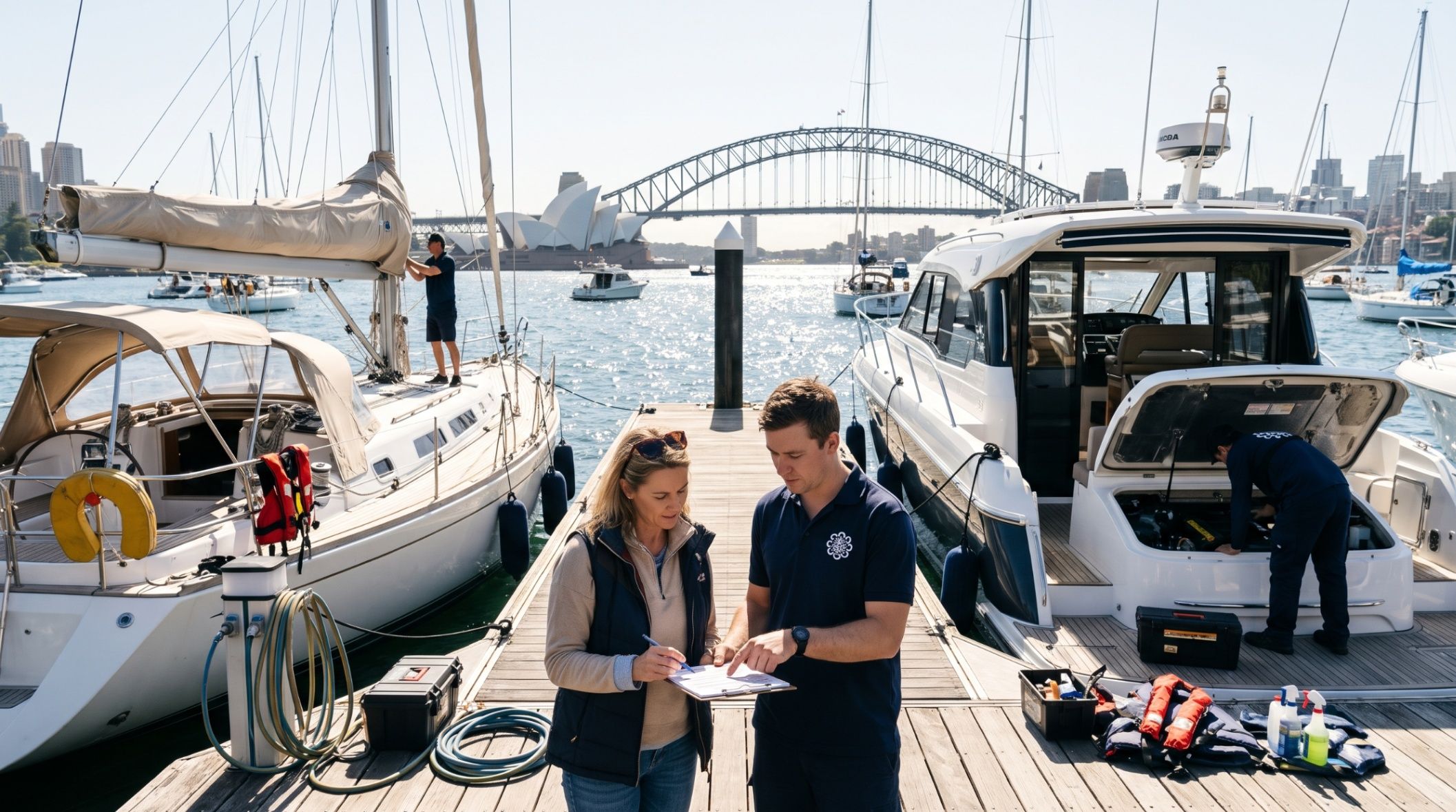
Spring commissioning is a good time to check the systems that may have quietly deteriorated while your boat sat idle, and to fix small problems before Sydney’s summer boating season puts them under pressure.
Australia doesn’t have the same hard winter lay-up tradition as colder northern-hemisphere regions. But many boats around Sydney are used less through winter, whether they’re on a swing mooring in Pittwater, tied up in Middle Harbour or kept ashore between trips. Months without regular use can leave stale fuel, flat batteries, stiff pumps, perished hoses or safety gear past its expiry date.
A fault found at the dock is usually easier to deal with than one found offshore or mid-channel. The Labour Day long-weekend period is a common target for getting afloat, while summer crowds and the pre-Christmas rush can make slipways, parts and trade availability harder to line up.
Start with the systems that keep the boat running
Give yourself time to work through the boat before its first serious summer outing. Follow the vessel and engine manuals, and don’t treat a successful engine start as proof that every system is ready.
Batteries and electrical
Fully charge the batteries and check their condition. Look for loose or corroded terminals, damaged cables, insecure battery boxes and signs of heat or water damage. Test the circuits you’ll rely on, including navigation lights, electronics, communications and bilge pumps.
If the boat has shore power, inspect the lead, plug, inlet and switchboard. Test the RCD safety switch according to its manufacturer’s instructions. If it fails to trip or you see damaged wiring, disconnect shore power and have a licensed electrician or marine electrician investigate. Don’t attempt 240-volt repairs yourself.
Engine, fuel and cooling
Before the first start, check oil and filter condition, coolant where applicable, belt tension and hoses for cracks, softness or swelling. Inspect fuel lines and filters, and look for leaks. Diesel fuel can become contaminated with water during a period of inactivity, so take concerns seriously rather than running the engine and hoping for the best.
For raw-water-cooled engines, inspect the strainer, seacock, intake and hoses. Check the impeller for hardened, cracked or missing vanes, and follow the engine manufacturer’s replacement interval. Inspect closed cooling systems too: check coolant condition and look for leaks around the heat exchanger.
On the first start, watch for a steady flow of cooling water, normal temperature and oil pressure, and any unusual noise or smell. Stop the engine if something doesn’t look right.

Tradie tip: “Carry a spare impeller and the right tools to fit it. It’s a small part that can cause a big problem if it fails away from the dock.”
Bilge pumps and through-hulls
Clear debris from the bilge and check for unexplained water, oil or fuel. Test each bilge pump in manual and automatic mode, using the manufacturer’s recommended method. Check that float switches move freely, pump strainers are clear, hoses aren’t split or kinked, and discharge outlets aren’t blocked.
Operate each seacock and inspect its hose connections and clamps. If a seacock is seized, leaking or difficult to operate, don’t force it. Arrange an inspection before heading out.
Audit the safety gear, and the parts that keep you sailing
Check the required safety equipment for your vessel and intended operating area. NSW requirements vary, so use the current NSW Maritime equipment checklist rather than assuming last year’s setup is still compliant.
Review flare expiry dates, lifejacket condition and inflation components, fire-extinguisher service dates, first-aid supplies, torches, anchors and lines. If you carry a 406 MHz EPIRB, check its battery or service date against the manufacturer’s instructions and confirm its details are current with AMSA. Battery life varies by unit, so use the date marked on your beacon rather than relying on a general estimate.
For sailing boats, check sailcloth, reefing systems, halyards, sheets and winches for wear or sticking. Standing rigging should be assessed by a competent rigger if it’s due for inspection or anything looks suspect.
Trailer-boat owners should add wheel bearings, tyres, trailer lights, winch and registration to the list. For any boat, check the propeller, anchor and rode, lines, fenders, covers, deck fittings and antifoul condition. Growth can build up while a boat sits, even when the hull looked clean at the end of the last season.

Owner check or trade job?
Some checks are straightforward for an owner. Specialist work should go to a suitably qualified person, especially where faults could affect safety or compliance.
| Task | Usually suitable for | Why |
|---|---|---|
| Check flare dates, inspect hoses and test a bilge pump | Owner, following the manual | Visual and functional checks can flag problems early |
| Replace an engine impeller | Qualified marine mechanic, where appropriate | Access, pump condition and correct refitting matter |
| Service an EPIRB or replace its battery | Approved service provider or manufacturer | Follow the beacon’s specific service requirements |
| Inspect standing rigging | Qualified rigger | Rig condition and safe loading require specialist knowledge |
| Diagnose fuel-system faults | Qualified marine mechanic | Fuel contamination, leaks and repairs need careful handling |
| Antifoul or prepare a hull for coating | Capable owner or suitable trade, depending on scope | Preparation, product instructions and slipway requirements all matter |
If you’re booking a haul-out or slipway job, confirm site requirements and access arrangements early. Rozelle Bay, Middle Harbour and boat ramps around Bayview and Appam can get busy as the season picks up. Owners operating around Pittwater, Broken Bay, Port Hacking or Botany Bay should also allow for local access and tender logistics when planning work.
Keep a record of what’s been checked
Make a simple commissioning record: note the date, engine hours, parts replaced, outstanding issues and any service-provider details. Photos can help document the condition before and after work, and make the next service conversation clearer.
MarineTasker is a two-sided technology platform designed to help owners scope jobs and connect with marine trades or capable skilled hands; it doesn’t perform the work or decide who is qualified. Its January 2027 Greater Sydney and Broken Bay launch workflow is planned to include licence and insurance checks, induction evidence on provider profiles, site requirements surfaced before job acceptance, job photos and records, and a digital vessel logbook linked to the HIN. Upfront safe payments are also planned for launch; these features aren’t live yet.
The right help depends on the job. A two-person commissioning day can make light work of checks and preparation, while a qualified mechanic, electrician or rigger can take on specialist tasks. Many hands make light work.
Claim available early-registrant perks during the pre-launch Open Beta period at marinetasker.io/beta.
Frequently asked questions
When should I commission my boat for the Sydney summer season?
Start in October or November, allowing time to find parts or book a tradesperson before the pre-Christmas rush.
Can I check my boat’s bilge pump myself?
Owners can usually test manual and automatic operation using the manufacturer’s instructions. If the pump, wiring or float switch isn’t working properly, arrange qualified help.
Does my boat need an EPIRB?
NSW safety equipment requirements depend on your vessel and where you operate. Check the current [NSW Maritime equipment checklist](https://www.nsw.gov.au/driving-boating-and-transport/waterways-safety-and-rules/lifejackets-and-safety-equipment/equipment-checklist), and keep any required EPIRB registered and within its service life.
Get first access to verified dockside care.
Join the Sydney Harbour & Broken Bay Open Beta. Lock in $25 toward your first Task or secure a 10% Founding Provider spot.
Lock In Founding Access